Thinking About Dental Implants? Let’s See If They’re Right for You

Take this quick survey to help us understand your smile goals and dental history. It only takes a minute — and your answers will help our team assess whether dental implants could be a good fit for your teeth, gums, and jaw.

Limited appointment slots available per month

What Can Dental Implants Help With?

Tooth loss affects more than just your smile. It can change how you eat, speak, and even how your jawbone ages. Dental implants are designed to feel and function like real teeth — helping you get back to living (and smiling) with confidence

Why Choose Beyond 32 Dental for Dental Implants

Our advanced implant treatments and personalised care deliver exceptional results, improving both function and aesthetics for a healthy, beautiful smile.
  • Minimally Invasive Techniques for Greater Comfort

    Our clinic uses digital keyhole implant methods that reduce the need for extensive surgery. This approach often means shorter appointments, faster recovery, and reduced post-operative discomfort.

    Beyond 32 Dental
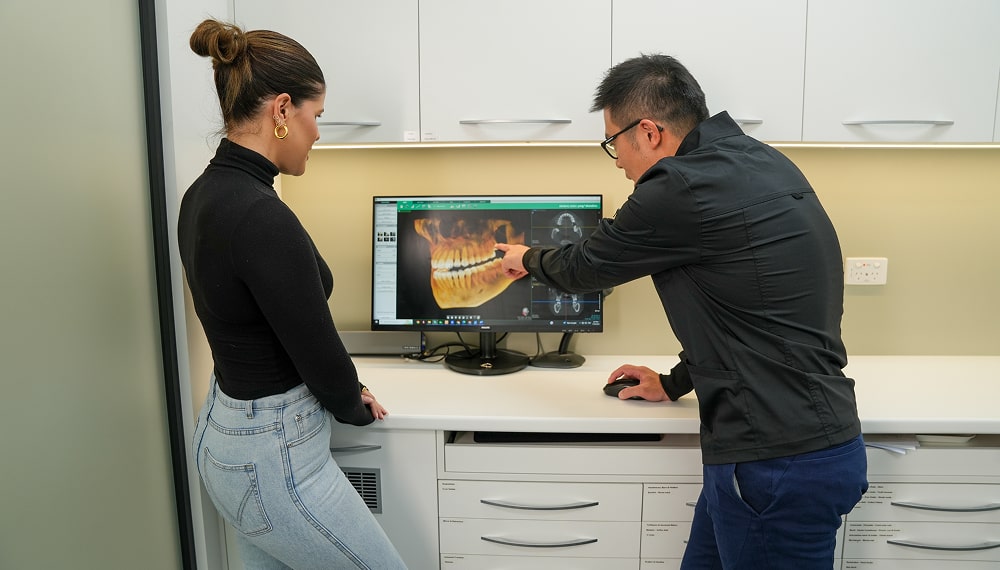
  • Treatment Plans Built Around Your Needs

    Every implant case begins with a comprehensive oral examination. We use advanced diagnostics to guide your care, whether you're missing a single tooth or need improved stability for a loose-fitting denture.
    Beyond 32 Dental
  • Focus on Long-Term Jawbone Support

    Implants don’t just replace missing teeth—they also help preserve your jawbone structure. This can support your facial profile and oral function over time, which is not typically achieved with removable dentures.
    Beyond 32 Dental
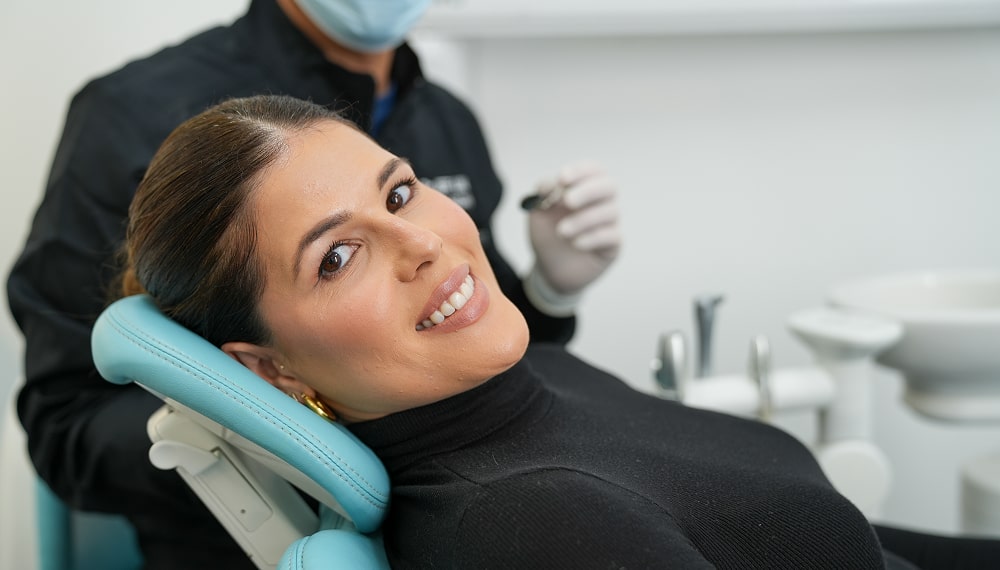
  • Calm and Supportive Environment

    Feeling nervous? You're not alone. We offer in-house sedation options and a welcoming team who take the time to explain each step, helping you feel more at ease throughout your visits.

    Beyond 32 Dental

Ready to Start Your Dental Implant Journey?

The process of restoring your smile with implants involves thorough evaluation and precise treatment. We guide you through each stage to achieve a natural-looking, long-lasting smile.

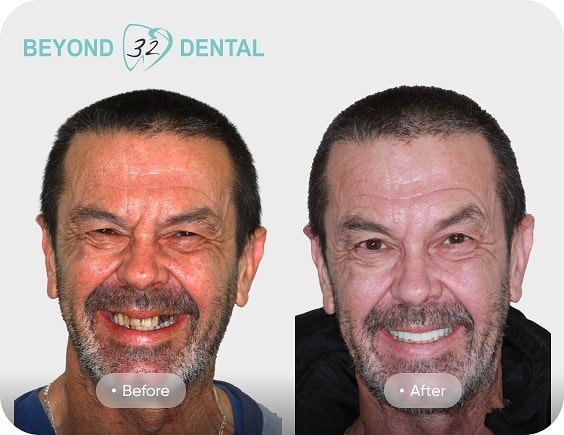
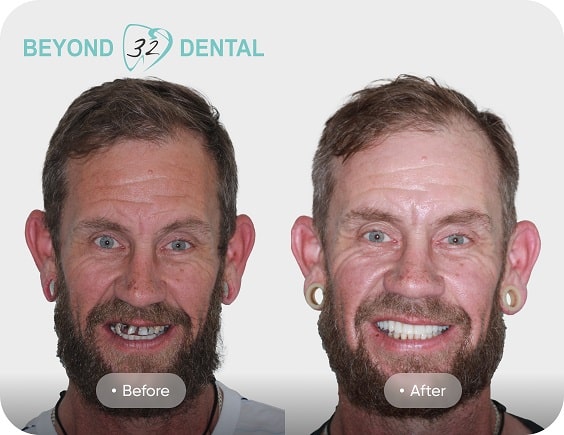
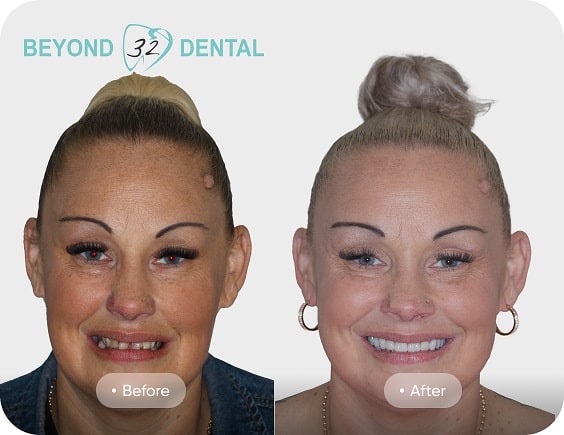
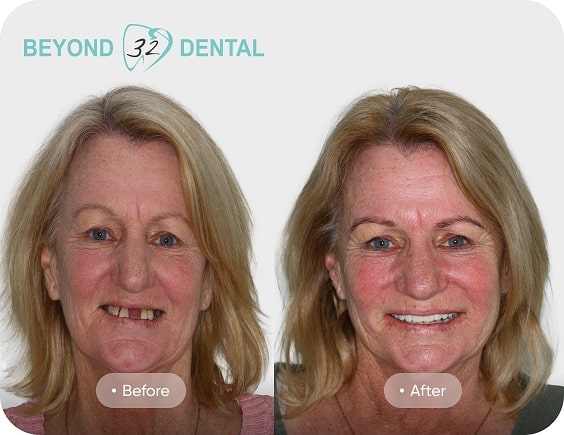
See Our Before & After Smile Gallery

Our smile gallery showcases the incredible transformations of patients who trusted us to enhance their appearance with dental implants.
Disclaimer: These images display actual patients of our clinic. Every case is different, and treatment outcomes can vary according to individual conditions and needs.

Get to Know Our
Dental Team

Meet our experienced team, who work together to provide high-quality and effective care specifically tailored to your unique dental needs.
Dr. Jeff Lin Principal Dentist

Dr. Jeff Lin

BDSc (Qld) AHPRA Registration No. DEN0001162767

Dr. Jeff’s extensive training in cosmetic and implant dentistry allows him to provide tailored, high-quality dental care.
Dr. Jennifer Chung Dentist

Dr. Jennifer Chung

BDSc (Qld) AHPRA Registration No. DEN0001208770

Dr. Jen’s gentle approach and passion for dentistry, combined with advanced orthodontic skills, deliver comprehensive and favourable results.
Dr. David Attia Dentist

Dr. David Attia

BDSc(Griffith), GradDipDent(Griffith), MSc(Oral Implantology)(Goethe) GradDip(Ortho)(CoL), FICOI AHPRA Registration No. DEN0001858310

Dr. David provides quality implantology and oral surgery services, using modern techniques to achieve predictable, long-term treatment outcomes for patients.
Dr. Ashleigh Wong Dentist

Dr. Ashleigh Wong

BDSc (Qld) AHPRA Registration No. DEN0001994878
Dr. Ashleigh’s calm, caring nature and commitment to continuous learning support a high standard of personalised dental treatment.
Dr. Leazelle Graham Dentist

Dr. Leazelle Graham

BDSc (Qld) AHPRA Registration No. DEN0002328642
Dr. Leazelle creates a welcoming, supportive environment, making dentistry accessible and effective for patients of all ages.

Dental Implant Pricing at Beyond 32 Dental

Several factors influence our dental implant pricing. We take time to explain your options clearly before recommending a treatment approach.

Single Implants

From $4,800 / per tooth

Full Arch Implants

From $27,000 / per jaw

Your Questions, Answered

We’ve compiled answers to common questions to help you better understand dental implants and what to expect during treatment.

Who may consider dental implants as an option?

Dental implants may be suitable for people who have lost one or more teeth and are looking for a long-term option to restore function and appearance. They are not suited for everyone, but you may be a candidate if:

  • You are missing one or more teeth:
    Implants can replace a single tooth, multiple teeth, or a full arch of teeth. They are custom-designed to look and feel like natural teeth.
  • You wear removable dentures that feel uncomfortable:
    If you find traditional dentures difficult to wear, implants may offer a more stable alternative. Your dentist will assess whether implants are suitable based on your dental health and needs.
  • You want a potentially long-term option:
    With consistent care and dental check-ups, dental implants can last for many years. However, outcomes can vary depending on lifestyle habits and overall health.
  • You have healthy gums and adequate bone:
    Successful implants require good gum health and enough bone density in the jaw. If needed, your dentist may recommend procedures like bone grafting to increase bone density and promote implant success.
  • You have finished growing (usually adults):
    Implants are usually recommended once jaw development is complete—usually in the late teens or early twenties. Your dentist may use X-rays or 3D scans to confirm bone maturity.

The dental implant process usually involves several stages spread over a few months. Each step is carefully planned by your dentist to promote safety, restore oral function, and align with your individual needs and oral health goals. Here’s what the process may involve:

  • Initial consultation and assessment:
    Your dentist will begin with a comprehensive oral examination, including X-rays or 3D scans, to evaluate your bone structure and overall oral health. They’ll also discuss your medical history, treatment goals, and suitability for dental implants. In some cases, additional procedures—such as bone grafting—may be recommended to improve the foundation for an implant.
  • Treatment planning:
    A personalised treatment plan is made to guide the timing and sequencing of each step. This may include diagnostic imaging and digital planning to determine the ideal position for the implant.
  • Implant placement surgery:
    During this stage, a small titanium post is surgically placed into the jawbone under local anaesthesia. The implant acts as an artificial root to support a future restoration.
  • Healing and integration period:
    This phase usually lasts around three to six months, depending on the individual. During this time, the implant bonds with the bone in a process called osseointegration. Your dentist will monitor your healing, and a temporary restoration may be provided while the implant settles.
  • Abutment placement:
    Once the dental implant has fully integrated, a small connector piece, which is called an abutment, is attached. This will hold your final crown, bridge, or denture in place.
  • Final restoration:
    A custom-made prosthetic tooth, such as a crown, bridge, or denture, is securely attached to the abutment. It is designed to blend in with your natural teeth in appearance and function.
  • Ongoing care and follow-up:
    Maintaining your dental implants requires regular dental check-ups, good oral hygiene, and continuous care—just like natural teeth. Your dentist will provide instructions and schedule reviews to help you protect your investment long-term.

Not all patients will follow the same timeline. Factors like bone density, oral health, smoking habits, and medical conditions can influence the process and outcomes. Your dentist will outline the treatment steps during your consultation.

Dental implants are intended to be a durable, long-term tooth replacement. Research shows that with good oral hygiene and regular dental care, implants can function well for about 20 years and sometimes longer, depending on individual circumstances.

While the titanium implant post is highly durable, the attached crown, bridge, or denture may need to be replaced over time due to normal wear.

Below are the factors that can influence how long a dental implant lasts:

  • Oral hygiene habits:
    Brushing, flossing, and routine dental visits help reduce the risk of gum disease or infection around the implant.
  • Smoking and tobacco use:
    Smoking is associated with delayed healing and higher complication rates, which can reduce implant longevity.
  • Bone health and gum condition:
    Healthy gums and adequate bone support are important for long-term implant stability. Certain conditions, such as gum disease or bone loss, may affect the treatment outcome.
  • Chronic health conditions:
    Medical conditions like uncontrolled diabetes or immune system disorders may impact healing and long-term maintenance.
  • Teeth grinding or clenching (bruxism):
    Excess pressure on implants caused by grinding can lead to complications. Your dentist may recommend a custom mouthguard to protect them.
  • Regular dental care and follow-up:
    Regular check-ups allow your dentist to monitor the dental implant site and address any concerns early.

Each patient is different. Your dentist will explain what may affect implant durability in your case and guide you through a tailored care plan.

It’s common to wonder whether dental implant surgery will be painful. The procedure is commonly performed under local anaesthesia, meaning the area will be fully numbed. While you may feel some pressure or movement during the process, it is not usually associated with pain.

After the anaesthesia wears off, it’s normal to experience temporary discomfort as part of the healing process. This is usually mild and manageable. Some common post-procedure symptoms may include:

  • Swelling around the gums or face:
    Mild swelling near the surgical area is a normal response and often subsides within a few days.
  • Tenderness or soreness at the implant site:
    The area where the implant was placed may feel sore or sensitive, particularly when chewing or brushing.
  • Bruising of the gums or skin:
    Some patients notice light bruising around the mouth or jaw, which generally fades within a week.
  • Minor bleeding:
    Slight bleeding may occur in the first 24 hours. This usually improves with gentle care and pressure using gauze if advised.

Your dentist will recommend ways to manage any discomfort, such as pain relief medication, soft foods, and cold compresses. Many people find the recovery manageable and return to normal activities within a few days.

If you’re concerned about discomfort or have a history of dental anxiety, speak with your dentist. They can discuss your options for comfort and care throughout the process.

There are several ways to replace missing teeth, including dentures, dental bridges, and implants. Each option has its benefits and considerations. Dental implants may be suitable for patients who prefer a secure, long-term option and meet certain health criteria. Here are some ways they differ from other common tooth replacement options:

  • Stability during daily activities:
    Unlike removable dentures, implants are anchored into the jawbone. This means they can provide a stable base for chewing and speaking without relying on adhesives.
  • Impact on surrounding teeth:
    Dental bridges often require the reshaping of adjacent teeth for support. Meanwhile, implants are placed independently and usually don’t affect nearby healthy teeth.
  • Support for jawbone health:
    Implants may help reduce bone loss in the jaw by stimulating the bone during chewing. In contrast, removable dentures and bridges do not integrate with the bone and may not offer the same benefit.
  • Appearance and comfort:
    Implants are designed to support restorations that closely resemble the look and feel of natural teeth. Some patients find this improves comfort and appearance compared to removable dentures.
  • Maintenance and care:
    Like natural teeth, implants require daily brushing, flossing, and regular dental check-ups. Dentures need to be removed for cleaning and adjustment over time.
  • Durability over time:
    Implants have the potential to last many years when cared for properly. On the other hand, dentures and bridges may require more frequent adjustment or replacement, depending on wear and changes in the mouth.

Caring for dental implants is much like taking care of your natural teeth. Good daily hygiene and regular professional care are key to maintaining the health of the implant and the surrounding gums. Your dentist will create a customised care plan for you, but here are general recommendations to support healing and long-term maintenance:

Daily Care at Home

  • Brush twice a day:
    Use a soft-bristled toothbrush and non-abrasive toothpaste to clean around the implant and along the gumline. Electric toothbrushes may also be suitable.
  • Floss or clean between teeth once daily:
    Special tools, such as interdental brushes, dental floss, or water flossers, can help clean around the implant without irritating the gums.
  • Use an antimicrobial mouth rinse if recommended:
    Your dentist may suggest a mouth rinse to reduce bacterial buildup, particularly in the early healing phase.

Short-Term Care After Surgery

  • Stick to a soft diet:
    Eat soft foods like mashed potatoes, yoghurt, and smoothies during the initial healing phase. Also, chewing on the implant site should be avoided for the first few days or as directed by your dentist.
  • Avoid smoking and alcohol:
    These can interfere with healing and may increase the risk of implant complications.
  • Manage discomfort as advised:
    Mild soreness or swelling is normal in the first few days. Your dentist will prescribe pain relief medications and recommend the use of cold compresses.

Long-Term Follow-Up and Professional Care:

  • Attend regular dental check-ups and hygiene visits:
    Your dentist will monitor the implant’s health, the surrounding bone, and the gums and may take X-rays periodically.
  • Report any concerns early:
    Signs like persistent discomfort, bleeding, or looseness around the implant should be assessed promptly.

With consistent care and professional monitoring, many patients maintain healthy dental implants for years. Your dental team will work with you to support your oral health at every stage.

As with any surgical or dental procedure, there are some risks and potential complications associated with dental implants. While many patients have successful outcomes, it’s important to be aware of what can occur during the healing process or later on. Your dentist will assess your risk factors and discuss these with you before treatment.

Possible risks and complications may include:

  • Infection:
    There is a possibility of infection occurring at the implant site, especially if oral hygiene is not maintained during healing.
  • Delayed healing or implant failure:
    In some cases, the dental implant may not fully integrate with the jawbone. This can happen due to several reasons, such as insufficient bone support, smoking, or underlying health conditions, such as poorly controlled diabetes.
  • Nerve irritation:
    If a dental implant is placed near a nerve, it may cause temporary or (rarely) persistent numbness, tingling, or discomfort in the lips, chin, or gums.
  • Sinus issues (for upper implants):
    When implants are placed in the upper jaw, they may affect the sinus cavity if there isn’t enough bone height. Sinus lift procedures may be recommended before placement.
  • Gum or bone loss around the implant:
    Inflammation of the surrounding tissues, known as peri-implantitis, can lead to loss of supporting bone if not detected and addressed early.
  • Mechanical complications:
    Over time, components like the crown or abutment may become loose or damaged and require restoration or replacement.

These risks are generally uncommon, particularly when treatment is carefully planned and supported by good oral hygiene. Your dentist will discuss ways to reduce your risk and will monitor your implant during check-ups.

Dental implants are designed to replicate both the appearance and function of your natural teeth. While they lack nerves, many patients report that once healed, implants feel very realistic and become part of their everyday routine. Here’s what you can generally expect:

  • A stable and secure feel:
    The implant is anchored into the jawbone, allowing the attached crown or bridge to feel stable—similar to a natural tooth.
  • No sensation within the implant:
    Unlike natural teeth, implants don’t have a root or nerve, so you won’t feel hot, cold, or pressure directly through the implant. Instead, sensation comes from the surrounding gum and bone.
  • Customised to blend in:
    The visible part of the implant (such as a crown) is custom-made to match the colour and shape of your natural teeth, creating a seamless appearance.
  • Adaptation period:
    It may take a few days to weeks to adjust to the feel of an implant, particularly if it’s your first or if multiple teeth were replaced. Your dentist will check your bite and comfort during follow-up visits.

At Beyond 32 Dental, our approach to dental implants is centred around personalised care, thorough planning, and patient education. We understand that every smile is unique, and so is every implant journey. Here’s what patients can expect from our team:

  • Comprehensive treatment planning:
    We use detailed diagnostics, including 3D imaging when required, to assess your bone health, gum condition, and overall suitability for implants. This helps us tailor your treatment plan to your individual needs and goals.
  • Focus on patient comfort and communication:
    We take the time to explain every step of the process—from consultation through to aftercare. If you feel anxious or have questions, our team is here to support you with clear information and a calm environment.
  • Ongoing support and maintenance:
    Our relationship doesn’t end after the implant is placed. We provide long-term follow-up, hygiene support, and regular check-ups to help you maintain your implant for years to come.
  • Local care with a long-term focus:
    As a clinic trusted by our community, we provide honest advice and treatment options focused on your long-term oral health and well-being.

Every implant case begins with a thorough consultation, where we listen to your concerns and provide answers to your questions. We’ll then recommend the approach that’s right for you.

Book Your Dental Implant Consultation Today!

Speak with our experienced team to see if implants suit your lifestyle, health, and long-term goals.
Request An Appointment